Low Rhinestone Templates: Designs That Sparkle
There’s a certain energy that comes from adding a bit of shimmer to a project. Whether you are designing merchandise for a bachelorette party, creating custom signage for an event, or crafting a unique gift, the visual impact of dimension and shine cannot be overstated. However, achieving that "bling" look traditionally required hours of painstaking labor, placing individual crystals or stones by hand. That is where Low Rhinestone Templates Design enters the picture, offering a bridge between high-effort craftsmanship and efficient, scalable production.
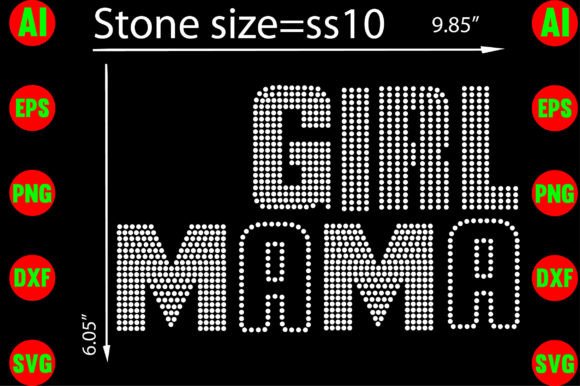
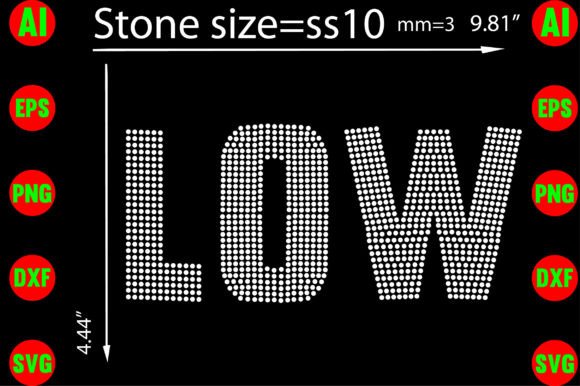
At its core, this isn't just a static image; it is a comprehensive toolkit. When you acquire this design asset, you are getting a production-ready solution packaged as an INSTANT DOWNLOAD. Inside that ZIP folder, you will find a robust collection of file formats: Ai (300dpi), EPS (300dpi), SVG File (300dpi), DXF File (300dpi), Transparent PNG (300ppi), and Jpeg (300dpi). This variety is intentional. It ensures that whether you are working in Adobe Illustrator for complex vector manipulation or simply need a high-resolution PNG for a quick mockup, the files are ready to perform without conversion headaches.
Visual Characteristics and The "Low" Profile Appeal
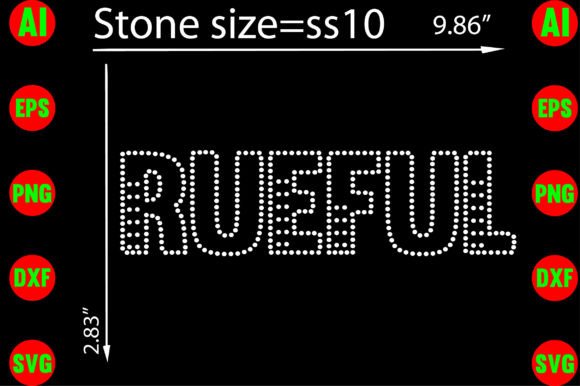
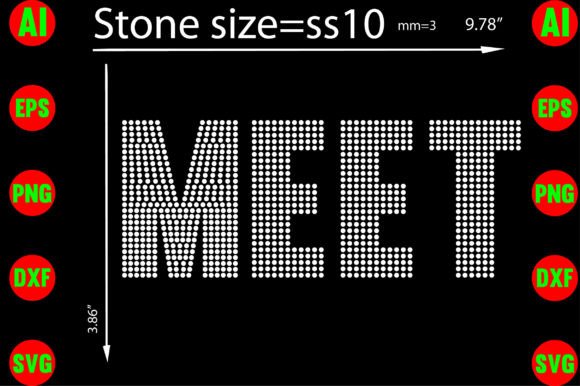
The defining characteristic of this collection is the "Low" aspect of the design. In the world of decorative templates, this refers to the density and profile of the rhinestone arrangement. Unlike high-density designs that use hundreds of tiny stones to fill every gap, Low Rhinestone Templates focus on outlines, key features, and negative space. The visual personality here is one of elegance through restraint. It creates a sophisticated, modern aesthetic that feels lighter and less cluttered than full-coverage designs.
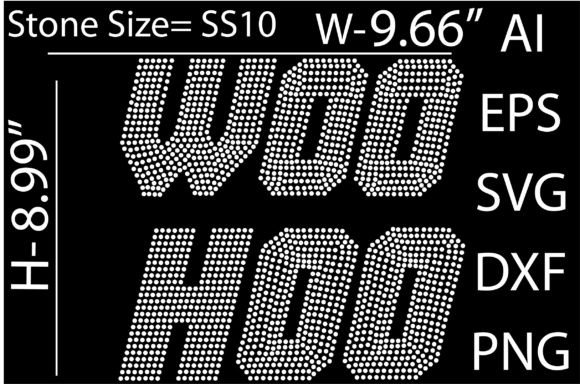
This style carries a distinct personality. It feels playful yet polished. Because the templates are editable vectors, you have full control over the scale and composition. You can take a bold, blocky letter and turn it into a delicate outline, or take a complex illustration and reduce it to its essential sparkling skeleton. The appeal lies in this versatility. It allows the underlying fabric or material—be it a dark t-shirt, a ceramic mug, or a velvet cushion—to breathe, creating a beautiful contrast between the matte background and the glossy, raised texture of the stones.
Practical Applications: From T-Shirts to Branding
The utility of Low Rhinestone Templates Design extends far beyond simple hobbyist crafts. For small business owners and entrepreneurs, this is a gateway to premium product offerings without the premium overhead. Consider the apparel market: a standard cotton t-shirt is a commodity, but a shirt featuring a rhinestone design instantly transforms into a boutique item with a higher perceived value. The templates are perfect for heat transfer vinyl (HTV) and actual rhinestone transfers, allowing you to produce consistent, professional-grade merchandise for sports teams, dance squads, corporate events, or boutique fashion lines.
Furthermore, the inclusion of DXF and SVG files makes this compatible with major cutting machines like Cricut and Silhouette. This opens up a massive avenue for crafters and hobbyists. You aren't limited to fabric; think about personalizing home décor. A set of cushion covers featuring a geometric rhinestone pattern can elevate a living room aesthetic. Even marketers can utilize these assets for physical promotional materials. A branded rhinestone patch on a tote bag or a sparkling logo on a trade show banner creates a tactile experience that digital ads simply cannot replicate. It draws the eye and invites touch, a powerful psychological trigger in brand identity and packaging design.
Strategic Design: Readability, Hierarchy, and Engagement
When incorporating these templates into your work, you are doing more than adding decoration; you are manipulating visual hierarchy. Sparkle naturally draws the human eye. By using a Low Rhinestone Template for a headline or a logo, you immediately signal that this element is the focal point. This is a strategic move in editorial design and social media graphics. For instance, if you are designing a poster for a gala event, using a rhinestone effect for the date or the venue name ensures that the most critical information is absorbed first.
However, this requires a balance of readability. Because rhinestones are circular or faceted, they can blur the legibility of small, intricate text if not handled correctly. This is where the "Low" design philosophy shines. By using templates that prioritize clean lines and adequate spacing, you maintain the integrity of the typography. You avoid the visual noise that makes text hard to read from a distance. It is about using the creative font or template style to enhance the message, not obscure it. When used correctly, this approach fosters audience engagement. People are drawn to the craftsmanship implied by a rhinestone design; it suggests care, effort, and quality, which translates directly to how they perceive the brand or message attached to it.
Technical Flexibility and File Utility
One of the strongest assets of this package is its technical robustness. The inclusion of Adobe Illustrator (Ai) and EPS files at 300dpi means you can scale these designs to massive sizes without pixelation. This is crucial for print applications like banners or signage. Conversely, the Transparent PNG at 300ppi is ready for immediate drag-and-drop use in Photoshop or Canva, which is ideal for web design mockups or quick social media content creation.
For those involved in logo design, the ability to edit the vector paths is invaluable. You might find a template that serves as a perfect monogram or icon for a client, but it needs tweaking to match their specific brand guidelines. Because these are editable files, you aren't buying a static image; you are buying raw material that can be molded. This flexibility ensures that the asset remains relevant across different client briefs and project scopes, making it a smart addition to any designer's library of design assets.
Implementation Tips for Maximum Impact
To get the most out of Low Rhinestone Templates Design, approach your project with a clear strategy. First, evaluate the substrate. Rhinestones look different on cotton versus denim versus hard surfaces like acrylic. The "Low" density works best on darker backgrounds where the negative space creates a strong contrast, but it can also look stunning on lighter, textured fabrics for a more boho-chic vibe.
Second, consider the font pairing. If you are using the rhinestone template as a headline or title, pair it with a clean, sans-serif body text. Avoid pairing it with a busy script font or a highly decorative handwritten font in close proximity, as this can lead to visual competition. Let the sparkle be the star of the show. Finally, test your settings. If you are cutting these from heat transfer vinyl or rhinestone flock, always run a small test cut first to ensure your machine's pressure and speed settings are optimized for the specific material you are using.
Ultimately, this collection offers a blend of artistic flair and practical utility. It empowers designers, bloggers, and content creators to infuse their projects with a sense of luxury and fun. By leveraging the editable nature of the files and understanding the visual psychology of the "Low" design style, you can produce work that is not only visually striking but also commercially viable and deeply engaging.