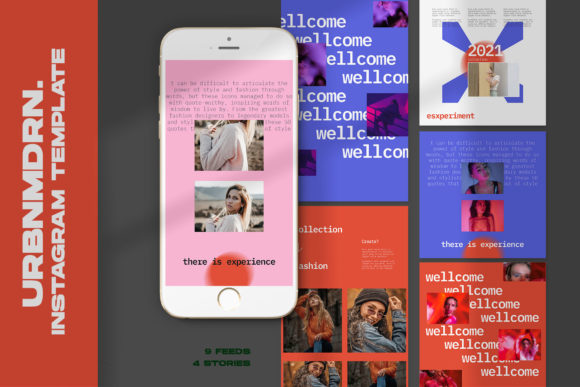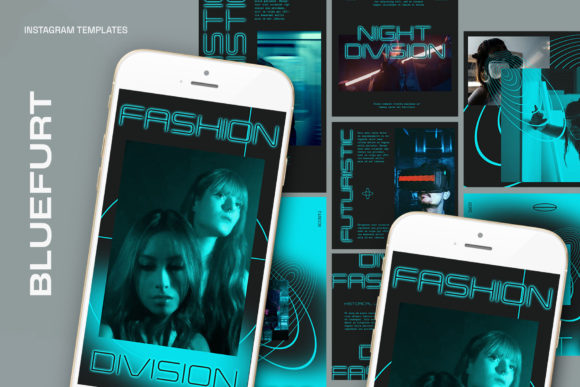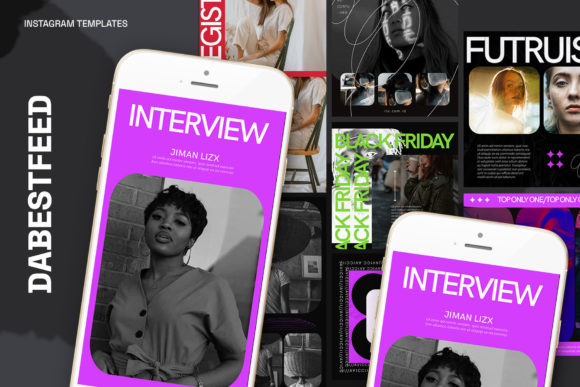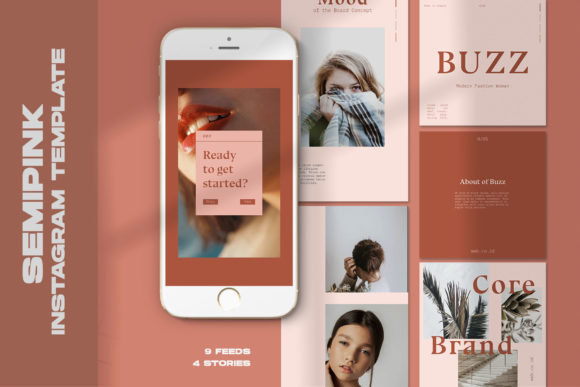
Bluemap Instagram Templates: A Designer's Guide
In the fast-paced world of social media, standing out is no longer optional—it's a requirement. Whether you are a graphic designer managing multiple clients or an entrepreneur trying to build a brand identity from scratch, the visual consistency of your Instagram feed speaks volumes before you even write a caption. This is where high-quality design assets like Bluemap Instagram Templates come into play. They bridge the gap between professional design and accessible content creation, allowing you to maintain a polished aesthetic without spending hours on layout.
However, the true power of a template isn't just in the arrangement of shapes and colors; it lies in the technical specifications and the ease of use provided by the file format. The Bluemap Instagram Templates package is built on a foundation of professional-grade specifications—specifically a 1.13 PSD file—that ensures your work looks crisp, vibrant, and distinct. Understanding how to leverage these technical details is the key to transforming your social media graphics from amateur to agency-level.
Mastering the 1.13 PSD Workflow
For those unfamiliar with Adobe Photoshop’s ecosystem, the file version can sometimes be a hurdle. However, the Bluemap Instagram Templates are optimized for the 1.13 PSD format, which ensures compatibility with modern features while maintaining stability. The real game-changer for these templates, however, is the utilization of Smart Objects. If you have ever struggled with cropping images to fit specific frames or distorting your photos to match a layout, Smart Objects eliminate that frustration entirely.
The process is designed to be intuitive, even for those who might not be seasoned Photoshop experts. Instead of manually resizing, you simply need to interact with the designated "image layer." The workflow is straightforward: double-click the layer icon on the image group, which opens a new window containing the placeholder. You then drag and drop your high-resolution photography into this space. A quick CTRL + S (or Command + S on a Mac) saves the file, and instantly, the main template updates with your image, perfectly warped or masked to fit the designer's original intent.
This non-destructive workflow means you can swap images in and out without ruining the composition. It allows you to experiment with different photography styles to see what fits your brand identity best. The Bluemap Instagram Templates essentially act as a flexible framework, giving you the structure of a professional layout while leaving the creative direction entirely in your hands.
Visual Fidelity: Why 300 DPI and RGB Matter
One of the most common mistakes in digital publishing is using low-resolution assets. While Instagram does compress images, starting with a high-quality source file is crucial for sharpness and color accuracy. The Bluemap Instagram Templates are configured at 300 DPI (dots per inch). While standard web graphics often sit at 72 DPI, working at 300 DPI ensures that your design assets retain maximum detail. This is particularly important if you decide to repurpose your social media graphics for print materials, such as flyers, lookbooks, or stickers.
Furthermore, the files are set in the RGB color mode. This is the standard for digital screens, ensuring that the colors you see while editing are the colors your audience will see on their mobile devices. The dimensions are also tailored for maximum impact, coming in at 1200 x 1200 px for the classic square feed and 1920 x 1080 px for high-definition stories or reels covers. These specific dimensions ensure that your content fills the screen without awkward cropping or pixelation, providing a seamless user experience for your followers.
Typography and Editability
A beautiful layout is often ruined by rigid text elements. In many generic templates, text is flattened or rasterized, forcing you to delete the layer and create a new one from scratch. This breaks the visual hierarchy established by the original designer. The Bluemap Instagram Templates solve this by making all text editable with the text tool.
This feature is vital for maintaining brand consistency. If your brand identity relies on a specific modern typography pairing—perhaps a bold serif font for headers and a clean sans serif font for body copy—you can easily modify the template to match your style guide. You aren't forced to use the designer's font choices; you are simply borrowing their layout structure. This flexibility makes these templates suitable for a wide range of industries, from fashion and lifestyle to corporate consulting and tech startups.
Practical Application for Creators and Businesses
For content creators, bloggers, and small business owners, time is a finite resource. The ease of use provided by the Bluemap Instagram Templates allows you to batch-create content efficiently. You can prepare a week's worth of posts in a single session, ensuring your visual hierarchy remains consistent throughout the week.
Consider a scenario where you are launching a new product. You need a cohesive look across your feed, stories, and promotional graphics. By using these templates, you can ensure that the typography, spacing, and image framing are identical across all touchpoints. This repetition builds brand recognition. When a user scrolls through their feed, they should be able to recognize your content before they even read the username.
Choosing the Right Assets
When evaluating design assets like the Bluemap Instagram Templates, it is important to look beyond the surface aesthetics. You need to evaluate how the template fits into your broader marketing strategy. Does the layout support the type of imagery you produce? If you are a photographer, you need templates that prioritize large image blocks. If you are a writer or podcaster, you might need templates that allow for longer text overlays.
Always test font pairings within the template. Even though the text is editable, some layouts are designed with specific visual weights in mind. If you swap a heavy display font for a thin script font, you may need to adjust the tracking or leading to maintain readability. The goal is to use the template as a starting point, not a rigid cage.
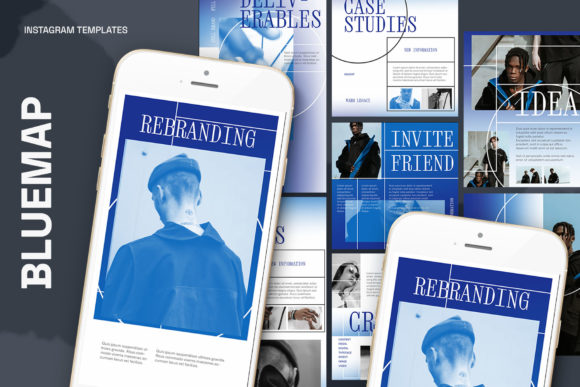
It is also worth noting the limitations provided in the asset pack. While the Bluemap Instagram Templates provide the structural design, the model used in the preview images is not included. This is standard practice for design assets, but it requires you to source your own photography. Ensure you have a library of high-quality images that match the vibe of the templates, or plan to use stock photography that aligns with your brand voice.
Ultimately, these templates offer a blend of professionalism and practicality. They remove the technical barriers to entry, allowing you to focus on what matters most: your message and your connection with your audience. By leveraging the Smart Object functionality and high-resolution specifications, you can elevate your social media presence to a professional standard that builds trust and drives engagement.